

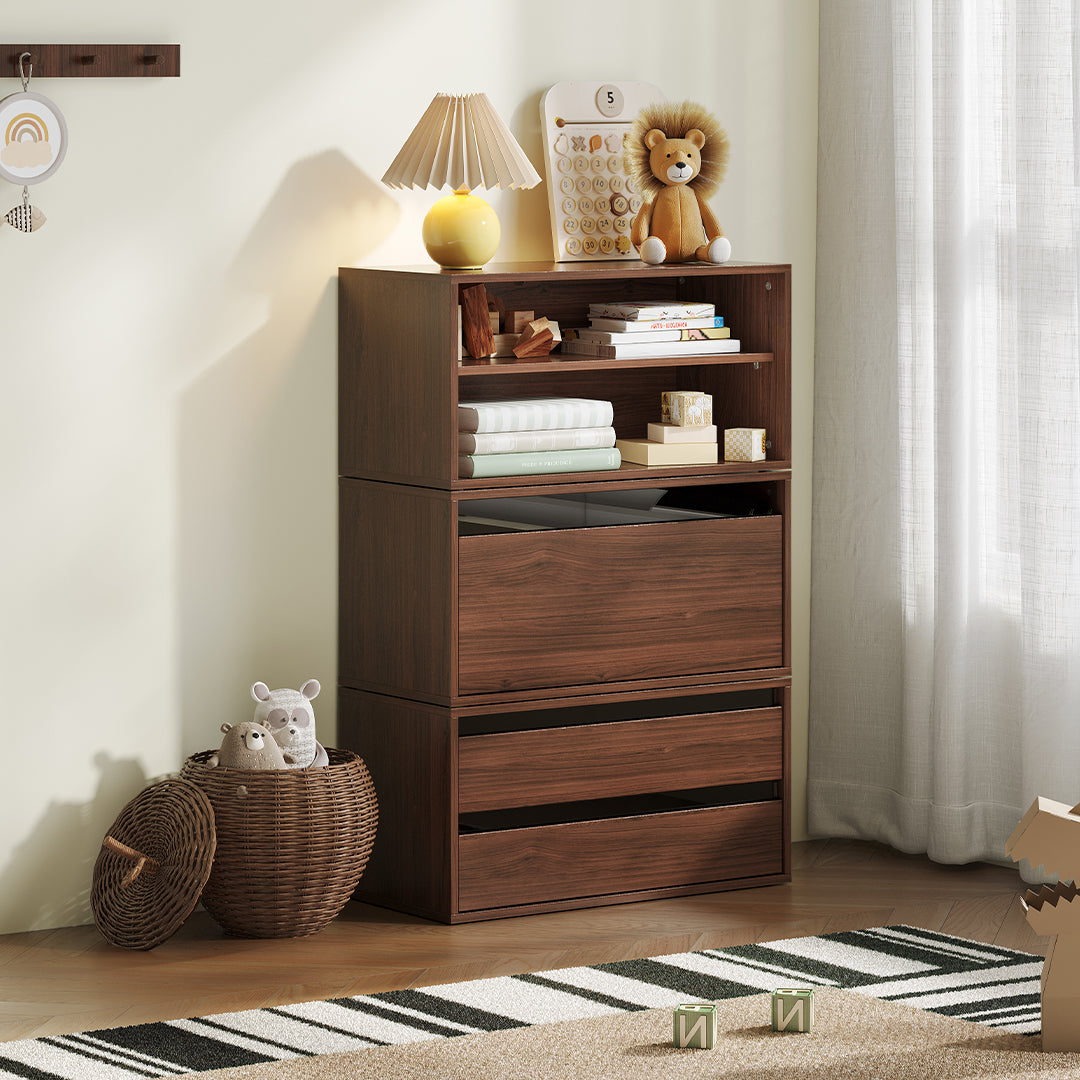
If you’ve ever bought a cabinet that felt perfect at first — and frustrating six months later — you’re not alone.
Maybe it was a TV stand that suddenly felt too bulky. Or a bookshelf that only worked in one apartment, against one wall, in one layout. Traditional furniture is designed to stay put. But modern life doesn’t really work that way anymore.
As more people live in apartments, move more often, and expect their homes to adapt to changing routines, modular storage furniture is quietly replacing fixed cabinets — and for good reason.
Why Traditional Storage No Longer Fits Modern Living
Furniture used to be about permanence. You bought one big piece and hoped it would work for years.
Today, homes are more flexible. Living rooms double as offices. Bedrooms need extra storage. Layouts change. And suddenly, that “forever” cabinet becomes the least flexible thing in the room.
That shift is exactly why modular cabinet systems are becoming more popular. Instead of locking you into one setup, modular storage lets you build only what you need — and change it later.
At LINSY HOME, this idea led to Cabik, a modular cabinet system inspired by the same design philosophy behind our Rubik sofa series: furniture that helps you build your home, instead of defining it for you.

What Makes Modular Cabinets Different
Modular cabinets are made up of individual units that work together. Rather than one large, immovable piece, you start with smaller building blocks that can be stacked, expanded sideways, or separated depending on your space.
In practice, that means your storage can evolve.
A low TV stand today can become a taller console tomorrow. A single unit can act as a nightstand — or join others to form a full wall of storage. When you move, the system moves with you.
It’s a simple idea, but it changes how furniture fits into everyday life.
One Modular Storage System, Multiple Rooms
One of the biggest advantages of modular furniture is that it isn’t tied to a single room.
Cabik works naturally across different spaces in the home:
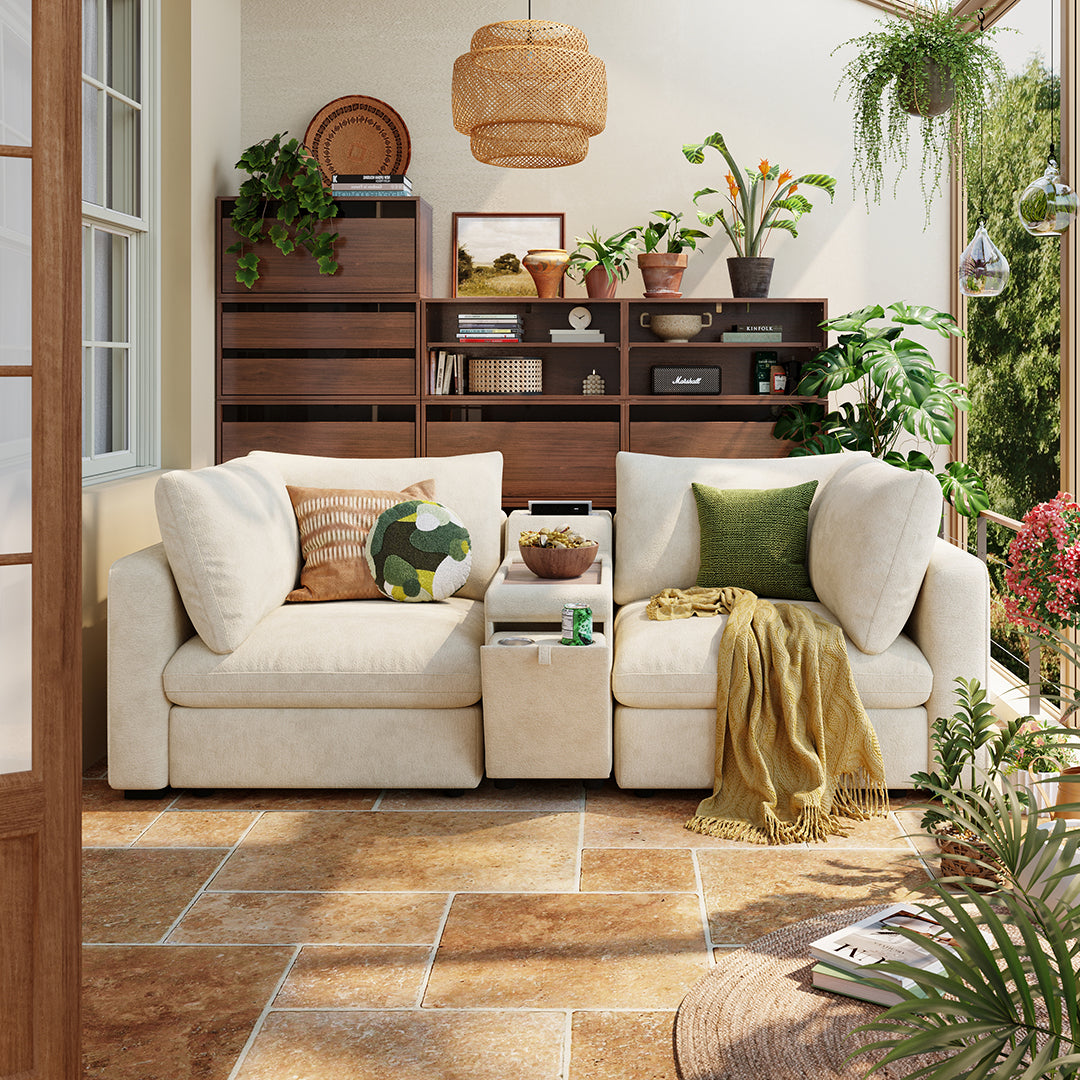
● In the living room, it can be a TV stand, a sofa-side console, or even a compact coffee table with storage.
● In the bedroom, one unit functions as a clean, modern nightstand.
● In a home office, open units keep books and files accessible while drawers hide everyday clutter.
● In small apartments, stacking units vertically helps maximize storage without taking up extra floor space.
Instead of buying separate furniture for each room, modular cabinets let one system do multiple jobs.

Why Modular Storage Works So Well for Small Spaces
For renters and city dwellers, storage is often about compromise. You need enough space to stay organized — but you don’t want furniture that only works in one apartment.
Modular storage solves that problem by letting you build to fit your exact space.
If your room is narrow, you build upward.
If you have a long wall, you expand sideways.
If your layout changes, you rearrange — instead of replacing everything.
And when it’s time to move, individual units are far easier to pack and transport than a single heavy cabinet. It’s storage designed for real-life transitions.
Build the Storage You Need — And Change It Later
Organization is personal. Some people love open shelving. Others want everything hidden.
Cabik keeps things flexible with three unit types:
● Open units for books, plants, and decor
● Single-drawer units for larger items you want out of sight
● Two-drawer units for organizing smaller essentials
You can start small, mix and match, and add more units only when you need them.

A More Flexible Way to Furnish Your Home
Modular furniture isn’t about chasing trends. It’s about giving yourself room to change.
With a modular cabinet system like Cabik, your storage isn’t tied to one layout, one apartment, or one phase of life. It grows with you — quietly adapting in the background as your home evolves.
Because the best furniture doesn’t just fill a space.
It makes space for the way you live.


Leave a comment
All comments are moderated before being published.
This site is protected by hCaptcha and the hCaptcha Privacy Policy and Terms of Service apply.